The Spiritual Power of Buddha Art in Home Décor: Vastu and Placement Guide
Understand how meditative Buddha wall paintings foster tranquility, mental stillness, and spatial harmony in modern Indian living rooms and meditation corners.
Somnath Parekh
Devotional Painter & Artist
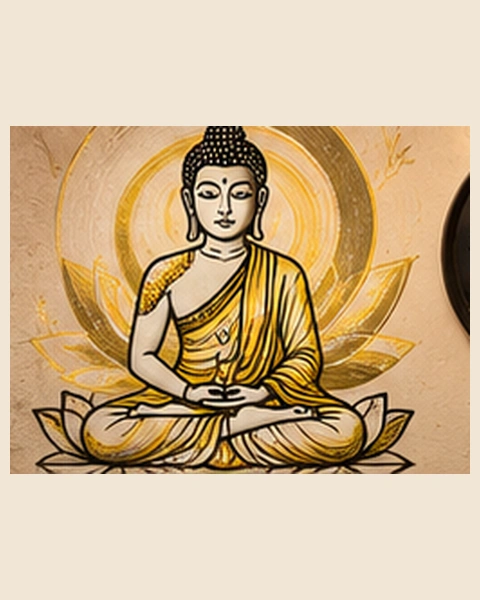
Why Buddha Paintings Resonate with Modern Homes
In an era defined by constant notifications, sensory overload, and hurried routines, the home must serve as a restorative sanctuary. Bringing mindful spiritual artwork into your living space acts as a visual anchor—a gentle reminder to pause, breathe, and return to center.
Among all sacred Indian and Asian artistic traditions, the meditative figure of the Buddha (*Dhyana Mudra*) stands as the universal embodiment of inner peace, emotional composure, and transcendent awareness.
The Iconography: What Each Mudra Signifies
When selecting a Buddha canvas or textured plate painting for your home, understanding the posture deepens your personal connection:
- **Dhyana Mudra (Meditation):** Both hands rested softly in the lap, palms upward, symbolizing focused contemplation and freedom from agitation. Ideal for living rooms, study spaces, and meditation corners.
- **Abhaya Mudra (Blessing & Fearlessness):** The right hand raised at chest level facing outward, bestowing protection and reassuring the household against anxiety and strife.
- **Bhumisparsha Mudra (Calling the Earth to Witness):** The right hand touching the earth, commemorating the moment of Enlightenment—grounding and steadying for creative studios.
Vastu Shastra Placement Recommendations
In Vastu Shastra, sacred imagery channels positive energy (*Prana*) throughout the dwelling. Here are authentic placement best practices:
- **Facing the Entrance:** Placing a serene Buddha painting where it catches your gaze upon entering immediately resets the mental state from outer worldly stress to domestic tranquility.
- **North-East (Ishanya):** The quadrant associated with divine consciousness and mental clarity. An illuminated Buddha painting in the North-East corner encourages reflective thinking and study.
- **Living Room Wall Behind Seating:** Mounting the artwork at eye level above a sofa or console table establishes a grounding, peaceful aura for family gatherings.
- **Areas to Avoid:** Never mount sacred spiritual artwork in bathrooms, utility laundry spaces, or directly beneath a heavy stairwell.
The Artistic Process Behind Our Buddha Art
In our studio, each Buddha piece begins with heavy textured cotton canvas and earthy, non-toxic pigment palettes. My father, Somnath, dedicates early morning hours of quiet contemplation before applying brushstrokes to ensure the countenance of the Buddha radiates authentic gentleness (*Karuna*) and serene majesty.
Somnath Parekh
Devotional Painter & Artist
Based in Surat, Gujarat, the Parekh family has dedicated generations to preserving authentic Indian sacred art, velvet door torans, and traditional craftsmanship under the brand ART IS MEE. Every creation tells a story.
Featured in This Article